
Begin with the shape, not the trend
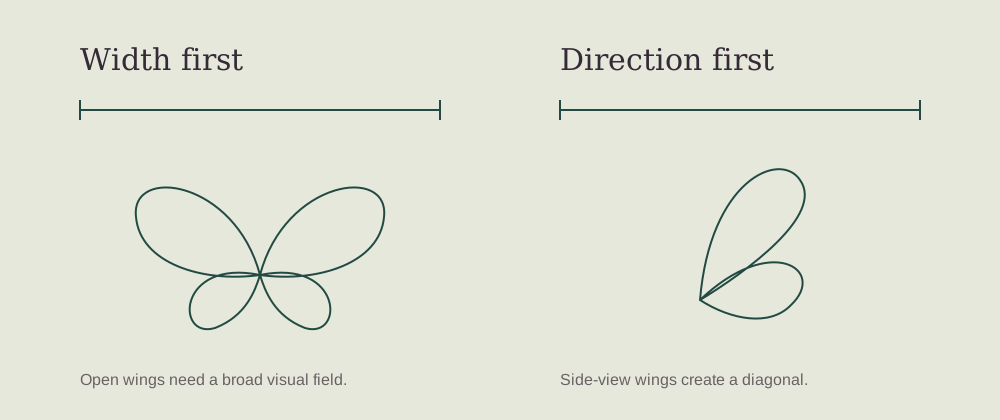
A butterfly with open wings asks for width. A side-view butterfly asks for height or a diagonal. A botanical composition may extend much farther than the wings themselves. Begin by looking at the whole outline of your favorite design, including antennae, dots, stems, and trailing lines. Then compare placements that give that outline room to make sense.
A popular placement can be a useful starting point, but it is not a recommendation for every person. Your own proportions, preferences, and an artist's assessment matter. The reference photographs in this library are visual examples, not fixed measurements or proof that a placement will suit you.
Wrist: decide the viewing direction
The wrist is a place you see frequently. Compare the butterfly facing you, facing outward, and following the length of the forearm. Tilt the paper version slightly rather than assuming it must stand perfectly straight. A small rotation can change the feeling of movement without adding a single extra detail.
Wear your normal watch or bracelets while comparing positions. A composition can feel open on a bare wrist and crowded beside everyday accessories. Use the inner-wrist study in the library to compare an asymmetrical motif with a more formally open-wing design.
Ankle: include shoes and jewelry in the view
The two ankle studies offer a useful contrast. One has a taller wing and delicate extensions; the other is more compact and unadorned. Compare their full footprints rather than just the center of each butterfly. The small outer dots are still part of the design's space.
Look at a proposed layout standing, seated, and with normal footwear. Decide whether the tattoo should be visible most days or appear only with certain clothes. If you wear an anklet, compare the gap between jewelry and artwork. The reference bracelet is styling, not a required part of the motif.
Shoulder and upper arm: think beyond the crop
A broad placement can support an open-wing butterfly or a taller botanical composition. Look from the front, side, and back as appropriate, with your posture relaxed. A tightly framed photograph may show all the details at once even when a real rounded placement will not.
Try normal straps and necklines before fixing the position. An occasional glimpse may be exactly what you want. If you prefer the full design visible, tell the artist. The purpose of the exercise is to describe your daily context, not to find a universal ideal point on a body chart.
Behind the ear and finger: request an individual assessment
Compact placements need a drawing designed for that area. The small butterfly's silhouette may matter more than a long trail or every interior vein. Ask an experienced artist to explain what they would simplify and to show relevant finished and healed work. Do not infer suitability or long-term results from an inspiration photo.
Hair, glasses, earrings, rings, and ordinary hand positions affect the visible composition. Bring those details into the consultation. Be open to a nearby placement if preserving the design matters more than placing it in one exact spot.
Use a three-question brief
First, what must remain recognizable: the overall butterfly, the story detail, or a particular wing shape? Second, which daily view matters most: your own, an outward view, or a mostly private glimpse? Third, what may change so the design works better on the chosen placement?
Use the printable reference sheets in each design pack to record those answers. They are planning tools, not measured body templates or approved tattoo stencils. Let a qualified artist assess the exact placement and prepare the final drawing. This guide discusses visual composition only and does not give medical or aftercare advice.